The Montessori Method is one of the most respected and widely recognized approaches to early childhood education in the world today.
The Montessori Method is one of the most respected and widely recognized approaches to early childhood education in the world today. Developed through years of scientific observation and a deep respect for the child, Montessori education continues to inspire schools and families across the globe.
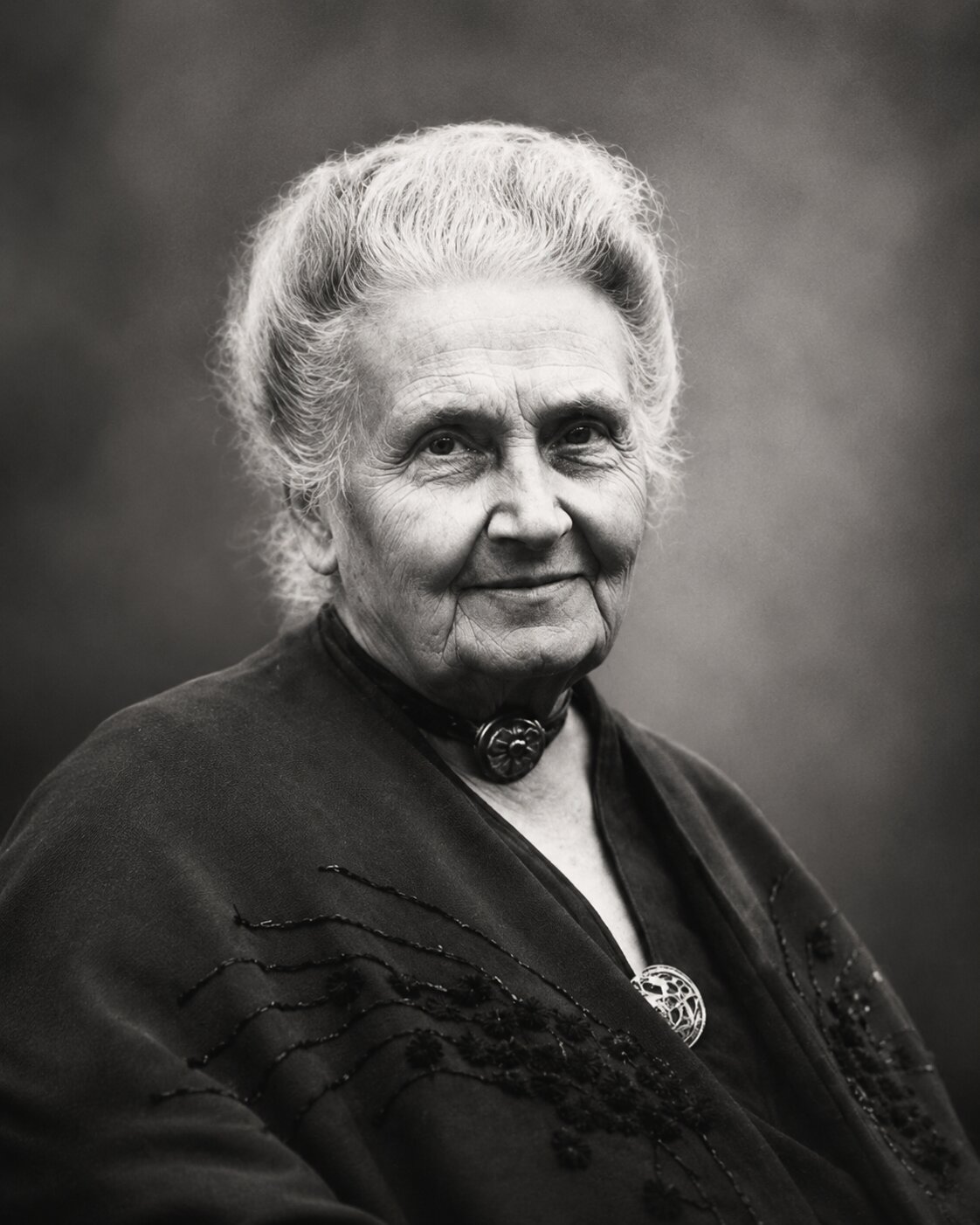
At the heart of this philosophy is Dr. Maria Montessori (1870–1952), an extraordinary woman whose work transformed the way we understand children and learning.
Born in Italy, Dr. Montessori became the first female physician in the country at a time when very few women pursued higher education or professional careers. During her medical work, she began observing children with learning and developmental challenges. Through careful study, patience, and experimentation, she discovered that children learned best through hands-on experiences, movement, independence, and purposeful activity.
What made her work revolutionary was her belief that these methods should not only benefit children with disabilities, but all children.
In 1907, Dr. Montessori opened the first Casa dei Bambini (“Children’s House”) in Italy for 60 children between the ages of 2 and 6. There, she carefully observed how children naturally learned when placed in a thoughtfully prepared environment designed specifically for their developmental needs.
She noticed that when children were given freedom within clear limits, they became deeply engaged in meaningful work. They naturally explored, repeated activities, developed concentration, and gained independence with joy and confidence.
These observations led Dr. Montessori to publish The Montessori Method, a groundbreaking educational approach that is now practiced worldwide.
What Makes Montessori Different?
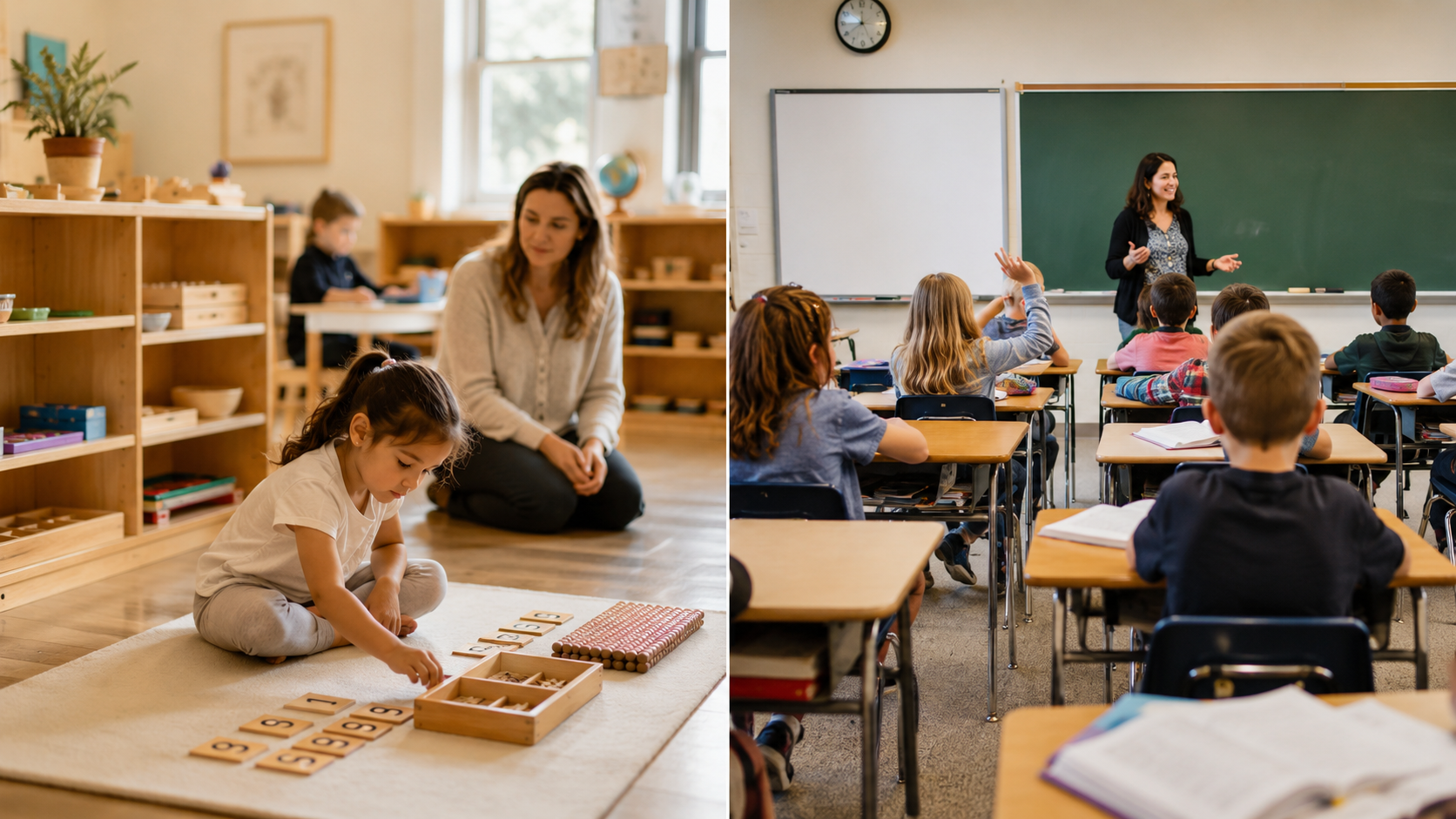
Montessori education is based on the understanding that children are naturally curious and capable learners. Rather than relying solely on direct instruction, children are encouraged to actively explore and discover through hands-on experiences.
A Montessori classroom is known as a prepared environment, a carefully organized space designed to support independence, concentration, order, and self-directed learning. Every material has a purpose and is thoughtfully arranged to meet the developmental needs of the child.
Children are given the freedom to choose purposeful activities, repeat them as needed, and work at their own pace. Through this process, they develop confidence, self-discipline, problem-solving skills, and a lifelong love of learning.
More than a teaching method, Montessori is a philosophy that respects each child as a unique individual and nurtures the development of the whole child—academically, socially, emotionally, and physically.